- Skilled Nursing Newsletter by Physicians Services Group of Florida
- Posts
- Beauty Sleep
Beauty Sleep
Chris DeNapoles M.D.
April 12, 2023
Dear Readers,
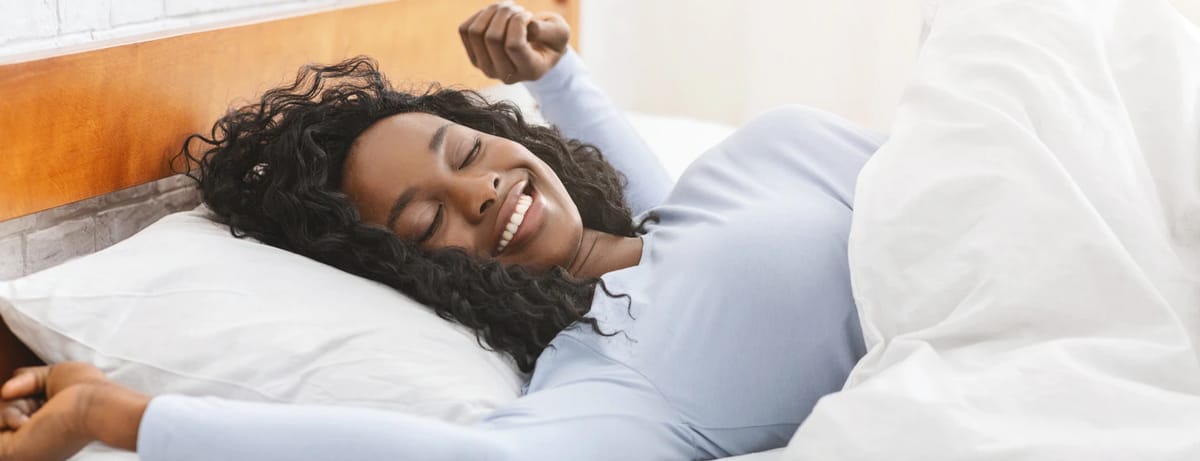
Today, we're going to talk about the importance of sleep and the risks associated with not getting enough of it. With the latest medical research, we hope to emphasize just how crucial it is to get enough sleep for your overall health and well-being. I’ll start off with the skin and beauty because I know that’s what your thinking about.
Sleep can have a significant impact on your skin and overall appearance. Here are some of the ways in which sleep can affect your beauty and skin health:
Dark Circles and Puffy Eyes: Lack of sleep can cause dark circles and puffy eyes, making you look tired and older.
Skin Aging: Lack of sleep can accelerate skin aging, causing wrinkles, fine lines, and dullness.
Dull Complexion: Sleep deprivation can make your skin look dull and lifeless, while getting enough sleep can give you a healthy glow.
Acne and Breakouts: Sleep deprivation can increase inflammation in the body, leading to acne and breakouts.
Hair Health: Sleep plays a role in maintaining healthy hair, and lack of sleep can cause hair loss, thinning, and dullness.
Research has shown that sleep can help repair and regenerate skin cells, promoting healthy skin and a youthful appearance. Lack of sleep, on the other hand, can lead to a breakdown of collagen and elastin, which are essential for maintaining firm and youthful-looking skin.
Getting enough sleep is also essential for your physical, mental, and emotional health. Here are some of the benefits that sleep provides:
Improved Memory and Learning: Sleep helps consolidate information, making it easier to recall and remember what you've learned.
Lowered Stress: Getting enough sleep can lower stress levels and improve overall mental health.
Improved Mood: Lack of sleep can cause irritability and mood swings, while getting enough sleep can improve your overall mood and emotional stability.
Increased Immune Function: Sleep plays a vital role in supporting your immune system and fighting off infections.
Reduced Risk of Chronic Diseases: Getting enough sleep can reduce your risk of developing chronic diseases such as obesity, diabetes, and heart disease.
The Risks of Lack of Sleep
Not getting enough sleep can have serious consequences on your health. Here are some of the risks associated with not getting enough sleep:
Impaired Cognitive Function: Lack of sleep can impair cognitive function, making it harder to focus, concentrate, and think clearly.
Increased Risk of Accidents: Drowsy driving and other accidents are more common when people don't get enough sleep.
Higher Risk of Depression and Anxiety: Lack of sleep can contribute to depression and anxiety disorders.
Increased Risk of Obesity and Diabetes: People who don't get enough sleep are more likely to be overweight or obese and have a higher risk of developing type 2 diabetes.
Higher Risk of Cardiovascular Disease: Not getting enough sleep can increase your risk of developing high blood pressure and cardiovascular disease.
The Latest Medical Research
The latest medical research confirms that getting enough sleep is essential for maintaining good health. One study published in the journal Sleep found that people who slept less than six hours a night had a higher risk of developing type 2 diabetes. Another study published in the journal Circulation found that people who slept less than six hours a night had a higher risk of developing cardiovascular disease.
Other research has found that getting enough sleep can improve athletic performance, increase creativity, and even help prevent certain types of cancer.
Conclusion
Getting enough sleep is crucial for your overall health and well-being. It's essential to prioritize good sleep habits, such as sticking to a regular sleep schedule, avoiding caffeine and alcohol before bed, and creating a relaxing sleep environment. By doing so, you can reap the many benefits of sleep and reduce your risk of developing serious health problems. Thank you for reading, and sweet dreams!
Feel free to share this weekly email newsletter with friends and colleagues. You can join the weekly email list by clicking the link below and entering your email. Skilled Nursing Newsletter by Physicians Services Group of Florida.
All the best!
Christopher DeNapoles M.D.
Chief Medical Officer
Physicians Services Group of Florida
Disclaimer: This newsletter provides general information on medical education and related topics. The content is not intended to be a substitute for professional medical advice, diagnosis, or treatment. Always seek the advice of your physician or other qualified healthcare provider with any questions you may have regarding a medical condition or treatment. The information provided in this newsletter is not intended to create a physician-patient relationship, nor does it constitute an endorsement or recommendation of any particular medical product, treatment, or service. In no event shall the publisher, author(s), or any organization with which the author(s) may be affiliated be liable for any damages whatsoever, including but not limited to direct, indirect, special, consequential, or incidental damages, arising out of or in connection with the use or inability to use the information provided in this newsletter. The information provided in this newsletter is provided "as is" without any representations or warranties, express or implied.