- Skilled Nursing Newsletter by Physicians Services Group of Florida
- Posts
- "The birds and the bees"
"The birds and the bees"

Chris DeNapoles M.D.
May 25, 2023
What STD did SpongeBob Squarepants get?…….

Clam-mydia!
Dear readers,
Welcome to our medical newsletter, where we explore critical health issues with a focus on evidence-based information. In this letter, we uncover a topic that has been garnering attention in recent years: the prevalence of sexually transmitted diseases (STDs) among elderly residents in nursing homes. So, let's delve into the data and shed light on this important matter.
The Hidden Reality: STDs Among Elderly in Nursing Homes
When we think of STDs, we often envision younger individuals engaging in risky behaviors. However, it is crucial to recognize that sexual activity remains an integral part of life for many older adults. As the population ages and societal attitudes evolve, it is essential to address the prevalence of STDs to safeguard the health and well-being of nursing home residents.
The Prevalence Statistics: Research Unveils the Numbers
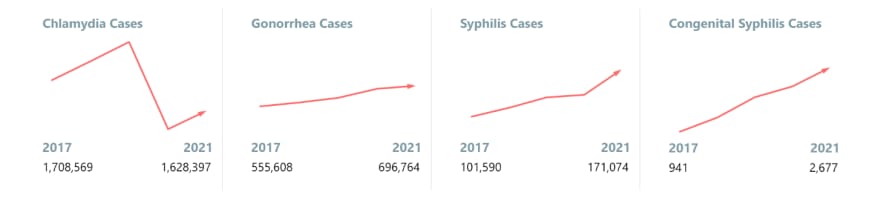
Medical research provides valuable insights into the prevalence of STDs among elderly residents in nursing homes. Here are some compelling statistics that shine a light on the issue:
A study published in the Journal of the American Geriatrics Society found that among nursing home residents aged 65 and older, the prevalence of STDs ranged from 1% to 8%. This prevalence varied depending on the geographic location and the specific STD being studied.
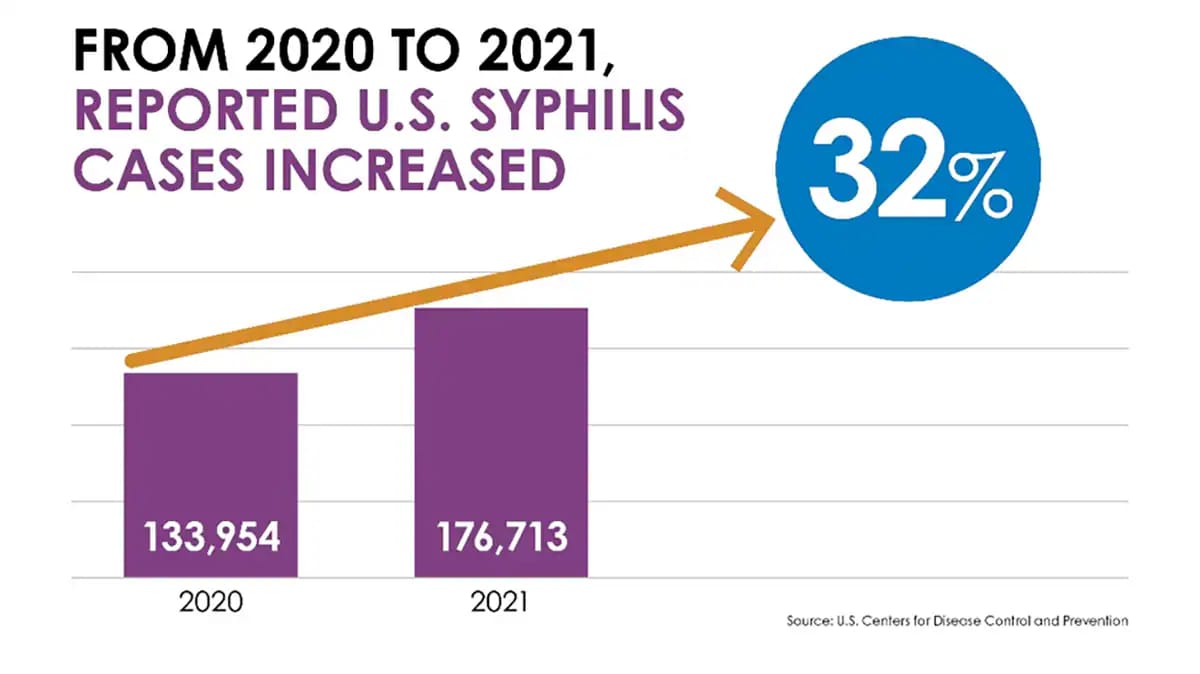
Another study conducted by the Centers for Disease Control and Prevention (CDC) revealed that the rate of chlamydia and gonorrhea diagnoses among individuals aged 55 years and older has been steadily increasing over the past decade.
According to the National Survey of Sexual Health and Behavior, nearly 5% of adults aged 57 to 85 reported engaging in sexual activity with a new partner within the past year. This highlights the potential risk of STD transmission among older adults.
Understanding the Contributing Factors
Several factors contribute to the prevalence of STDs among elderly residents in nursing homes. It is crucial to examine these factors to develop effective preventive measures and interventions. Here are a few key considerations:
Lack of Sexual Education: Many older adults did not receive comprehensive sexual education during their youth, which can lead to a lack of awareness regarding safe sexual practices and the risk of contracting STDs.
Increased Divorce Rates and New Relationships: The aging population is experiencing higher divorce rates and forming new relationships. Engaging in sexual relationships without practicing safe sex can increase the risk of STD transmission.
Biological Vulnerabilities: The aging process brings physiological changes that can make older adults more susceptible to certain STDs. For instance, vaginal dryness in women and a decline in immune function can increase vulnerability.
Limited Access to Healthcare: Some elderly individuals face barriers to healthcare access, including limited mobility, financial constraints, or a lack of awareness about available resources. These factors can hinder regular STD screenings and timely treatment.
Addressing the Issue: A Comprehensive Approach
To effectively address the prevalence of STDs in nursing homes, a comprehensive approach is necessary. Here are key strategies that can be implemented:
Comprehensive Sexual Education: Nursing homes should prioritize sexual education programs tailored to older adults, focusing on safe sex practices, the importance of regular screenings, and dispelling misconceptions related to sexual health.
Routine STD Screening: Healthcare providers in nursing homes should incorporate routine STD screenings as part of regular healthcare assessments for residents. Timely detection and treatment can prevent complications and reduce transmission rates.
Staff Training and Communication: Healthcare providers and nursing home staff should receive training on addressing sexual health issues and fostering open communication with residents. Creating a supportive and non-judgmental environment encourages discussions about sexual health concerns.
Accessible Healthcare Services: Nursing homes should ensure that residents have easy access to healthcare services, including STD screenings and
Although there is a plethora of jokes around the topic of STDs, we should remember that this is a serious issue that is on the rise in our communities and consider it in our differentials when working with patients.
Feel free to share this weekly email newsletter with friends and colleagues. You can join the weekly email list by clicking the link below and entering your email. Skilled Nursing Newsletter by Physicians Services Group of Florida.
All the best!
Christopher DeNapoles M.D.
Chief Medical Officer
Physicians Services Group of Florida

Disclaimer: This newsletter provides general information on medical education and related topics. The content is not intended to be a substitute for professional medical advice, diagnosis, or treatment. Always seek the advice of your physician or other qualified healthcare provider with any questions you may have regarding a medical condition or treatment. The information provided in this newsletter is not intended to create a physician-patient relationship, nor does it constitute an endorsement or recommendation of any particular medical product, treatment, or service. In no event shall the publisher, author(s), or any organization with which the author(s) may be affiliated be liable for any damages whatsoever, including but not limited to direct, indirect, special, consequential, or incidental damages, arising out of or in connection with the use or inability to use the information provided in this newsletter. The information provided in this newsletter is provided "as is" without any representations or warranties, express or implied.