- Skilled Nursing Newsletter by Physicians Services Group of Florida
- Posts
- Coronary artery disease (CAD)
Coronary artery disease (CAD)
Signs and symptoms, how it is diagnosed, how it is treated, and prevention.
Welcome to the Skilled Nursing Newsletter, where we provide important updates and information about various healthcare topics. In this issue, we'll be discussing coronary artery disease (CAD), its signs and symptoms, and how to prevent it.
What is Coronary Artery Disease?
Coronary artery disease, also known as ischemic heart disease, occurs when the coronary arteries become narrowed or blocked due to the buildup of plaque. This can limit blood flow to the heart muscle and cause a range of symptoms, including chest pain, shortness of breath, and heart attack.
Signs of an Attack:
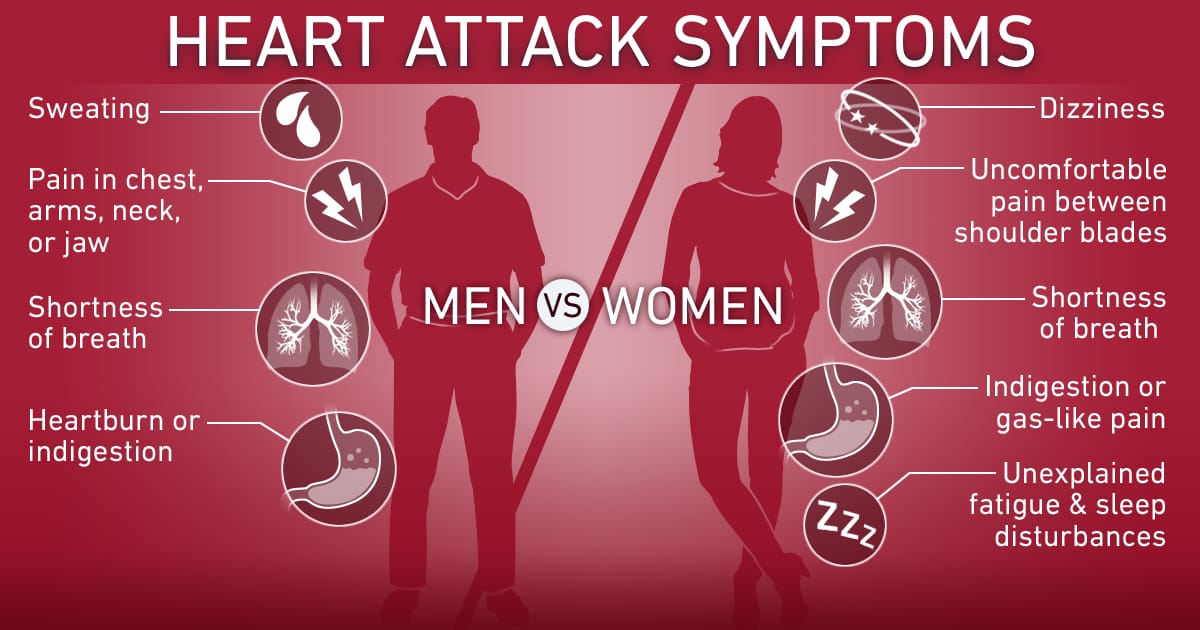
The signs of a heart attack can vary, but may include:
Chest pain or discomfort, which may feel like pressure, tightness, or squeezing.
Pain or discomfort in the arms, neck, jaw, back, or stomach.
Shortness of breath or difficulty breathing.
Nausea or vomiting.
Sweating or lightheadedness.
It is important to seek immediate medical attention if you experience any of these symptoms, as prompt treatment can help to prevent serious complications.
Prevention:
There are several steps you can take to prevent or manage coronary artery disease:
Maintain a healthy lifestyle: Eating a healthy diet, getting regular exercise, managing stress, and avoiding smoking can all help to reduce the risk of CAD.
Manage existing health conditions: If you have high blood pressure, high cholesterol, or diabetes, it is important to work with your healthcare provider to manage these conditions effectively.
Take prescribed medications: If your healthcare provider prescribes medications to manage CAD, such as aspirin, blood thinners, or cholesterol-lowering drugs, it is important to take them as directed.
Attend regular medical check-ups: Regular check-ups with your healthcare provider can help to monitor your heart health and detect any potential problems early on.
Recent research has shown that dietary factors can have a significant impact on the development and progression of CAD. One study published in the Journal of the American College of Cardiology found that adherence to a healthy dietary pattern, such as the Mediterranean diet, was associated with a lower risk of developing CAD. The Mediterranean diet is rich in fruits, vegetables, whole grains, nuts, legumes, and olive oil, and is low in red and processed meats, sugar-sweetened beverages, and refined grains.
Another study published in the Journal of the American Heart Association found that consuming a diet high in saturated fat, trans fat, and added sugars was associated with a higher risk of CAD. This study found that a higher intake of plant-based foods, such as fruits, vegetables, and whole grains, was associated with a lower risk of CAD.
A recent review of multiple studies published in the journal Nutrients found that consuming a diet rich in fiber, whole grains, and plant-based foods, and low in saturated and trans fats, can help to reduce the risk of CAD and improve overall heart health.
Overall, the research suggests that a diet rich in whole, unprocessed foods, including fruits, vegetables, whole grains, and lean protein sources, and low in saturated and trans fats and added sugars, can help to reduce the risk of CAD and improve heart health. By incorporating these dietary recommendations into their practice, nurses can help to promote better heart health and reduce the risk of serious complications related to CAD.
Feel free to share this weekly email newsletter with friends and colleagues. You can join the weekly email list by clicking the link below and entering your email. Skilled Nursing Newsletter by Physicians Services Group of Florida.
All the best,
Christopher DeNapoles M.D.
Chief Medical Officer
Physicians Services Group of Florida
Disclaimer: This newsletter provides general information on medical education and related topics. The content is not intended to be a substitute for professional medical advice, diagnosis, or treatment. Always seek the advice of your physician or other qualified healthcare provider with any questions you may have regarding a medical condition or treatment. The information provided in this newsletter is not intended to create a physician-patient relationship, nor does it constitute an endorsement or recommendation of any particular medical product, treatment, or service. In no event shall the publisher, author(s), or any organization with which the author(s) may be affiliated be liable for any damages whatsoever, including but not limited to direct, indirect, special, consequential, or incidental damages, arising out of or in connection with the use or inability to use the information provided in this newsletter. The information provided in this newsletter is provided "as is" without any representations or warranties, express or implied.