- Skilled Nursing Newsletter by Physicians Services Group of Florida
- Posts
- The Effects of Cortisol on Weight
The Effects of Cortisol on Weight

Chris DeNapoles M.D.
June 21, 2023
Dear Readers
Welcome to the latest edition of our medical newsletter, where we dive into the fascinating world of hormones and their impact on weight. Today, we'll focus on cortisol, a hormone produced by the adrenal glands, and explore its relationship with weight gain. Understanding the role of cortisol can help us provide comprehensive care to patients struggling with weight management. So, let's get started!
What is Cortisol and What Does It Do? Cortisol, often referred to as the "stress hormone," is a vital hormone produced by the adrenal glands, which are located on top of the kidneys. It plays a crucial role in various bodily functions, including regulating metabolism, managing stress responses, and controlling inflammation. Cortisol levels naturally fluctuate throughout the day, following a diurnal rhythm, with higher levels in the morning and lower levels at night.
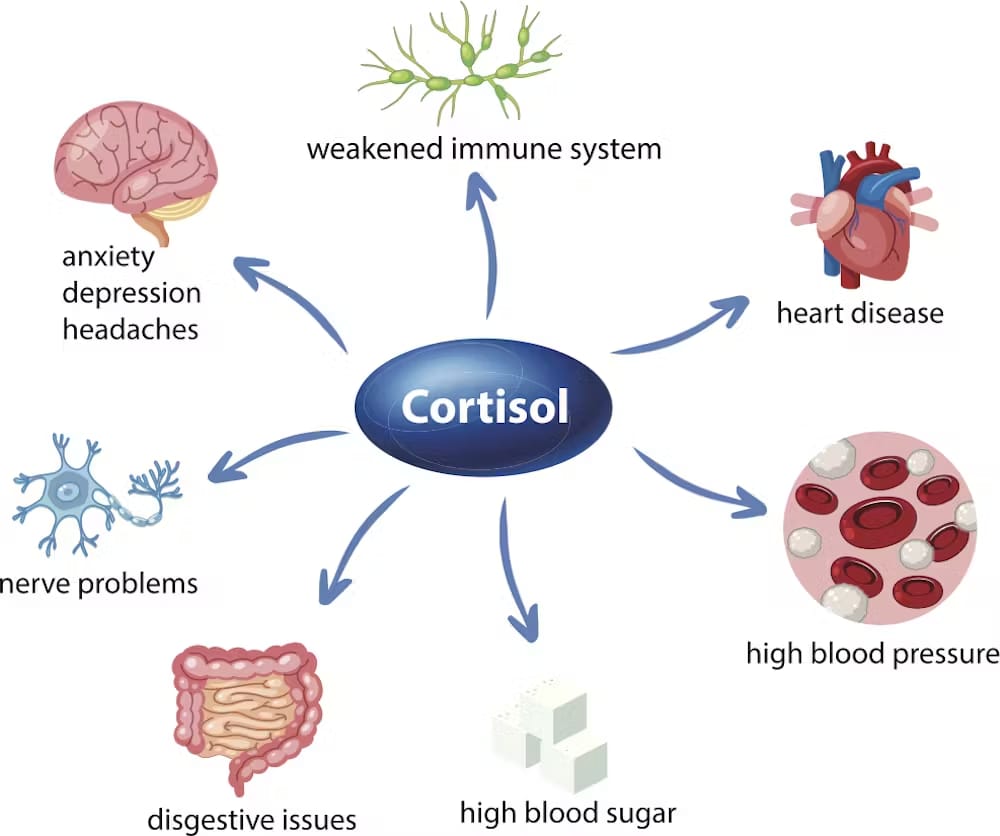
Cortisol and Weight Gain: While cortisol is essential for normal bodily functions, chronically elevated levels can have adverse effects on weight and metabolism. Here's a closer look at how cortisol can influence weight gain:
1️⃣ Abdominal Fat Accumulation: Research suggests that high cortisol levels can contribute to the accumulation of fat, particularly around the abdominal area. This type of fat deposition is associated with an increased risk of cardiovascular diseases, diabetes, and metabolic syndrome.
2️⃣ Increased Appetite and Cravings: Cortisol can stimulate appetite and lead to cravings for high-calorie foods, particularly those rich in carbohydrates and fats. This can result in overeating and contribute to weight gain.
3️⃣ Insulin Resistance: Prolonged exposure to elevated cortisol levels can interfere with insulin function, leading to insulin resistance. Insulin resistance impairs the body's ability to regulate blood sugar levels, increasing the risk of weight gain and diabetes.
4️⃣ Disrupted Sleep Patterns: Chronic stress and high cortisol levels can disrupt sleep patterns, contributing to weight gain. Sleep deprivation affects hormones that regulate appetite, leading to an increased desire for high-calorie foods.
Research on Cortisol and Weight Gain: Numerous studies have explored the link between cortisol and weight gain. Here are a few notable findings:
A study published in the Journal of Clinical Endocrinology and Metabolism found that individuals with higher cortisol levels had greater abdominal fat deposits and higher body mass index (BMI).
Another study published in Obesity investigated the relationship between chronic stress, cortisol, and abdominal fat. The findings revealed that individuals experiencing chronic stress had higher cortisol levels and increased abdominal fat accumulation.
Research published in Psychoneuroendocrinology found that disrupted sleep patterns and poor sleep quality were associated with elevated cortisol levels and an increased risk of weight gain.
These studies emphasize the importance of managing stress, optimizing sleep, and adopting a healthy lifestyle to regulate cortisol levels and support weight management.
Practical Tips for Patients: We can empower our patients with practical tips to manage cortisol levels and support healthy weight management:
1️⃣ Encourage stress management techniques, such as regular exercise, deep breathing exercises, meditation, and engaging in hobbies or activities that promote relaxation.
2️⃣ Promote healthy sleep habits, including maintaining a consistent sleep schedule, creating a comfortable sleep environment, and practicing good sleep hygiene.
3️⃣ Encourage a well-balanced diet rich in whole grains, lean proteins, fruits, and vegetables while minimizing processed foods and sugary snacks.
4️⃣ Educate patients about portion control, mindful eating, and recognizing and addressing emotional eating patterns.
Feel free to share this weekly email newsletter with friends and colleagues. You can join the weekly email list by clicking the link below and entering your email. Skilled Nursing Newsletter by Physicians Services Group of Florida.
All the best!
Christopher DeNapoles M.D.
Chief Medical Officer
Physicians Services Group of Florida

Disclaimer: This newsletter provides general information on medical education and related topics. The content is not intended to be a substitute for professional medical advice, diagnosis, or treatment. Always seek the advice of your physician or other qualified healthcare provider with any questions you may have regarding a medical condition or treatment. The information provided in this newsletter is not intended to create a physician-patient relationship, nor does it constitute an endorsement or recommendation of any particular medical product, treatment, or service. In no event shall the publisher, author(s), or any organization with which the author(s) may be affiliated be liable for any damages whatsoever, including but not limited to direct, indirect, special, consequential, or incidental damages, arising out of or in connection with the use or inability to use the information provided in this newsletter. The information provided in this newsletter is provided "as is" without any representations or warranties, express or implied.