- Skilled Nursing Newsletter by Physicians Services Group of Florida
- Posts
- Do You Know Your Cholesterol? Skilled Nursing Newsletter by Physicians Services Group of Florida
Do You Know Your Cholesterol? Skilled Nursing Newsletter by Physicians Services Group of Florida
Chris DeNapoles M.D.
March 22, 2023
Why did the doctor always carry a red pen?
In case they needed to draw blood!
Dear Readers,
First, I would like to apologize for the bad jokes. Second, I’d like to talk about cholesterol.
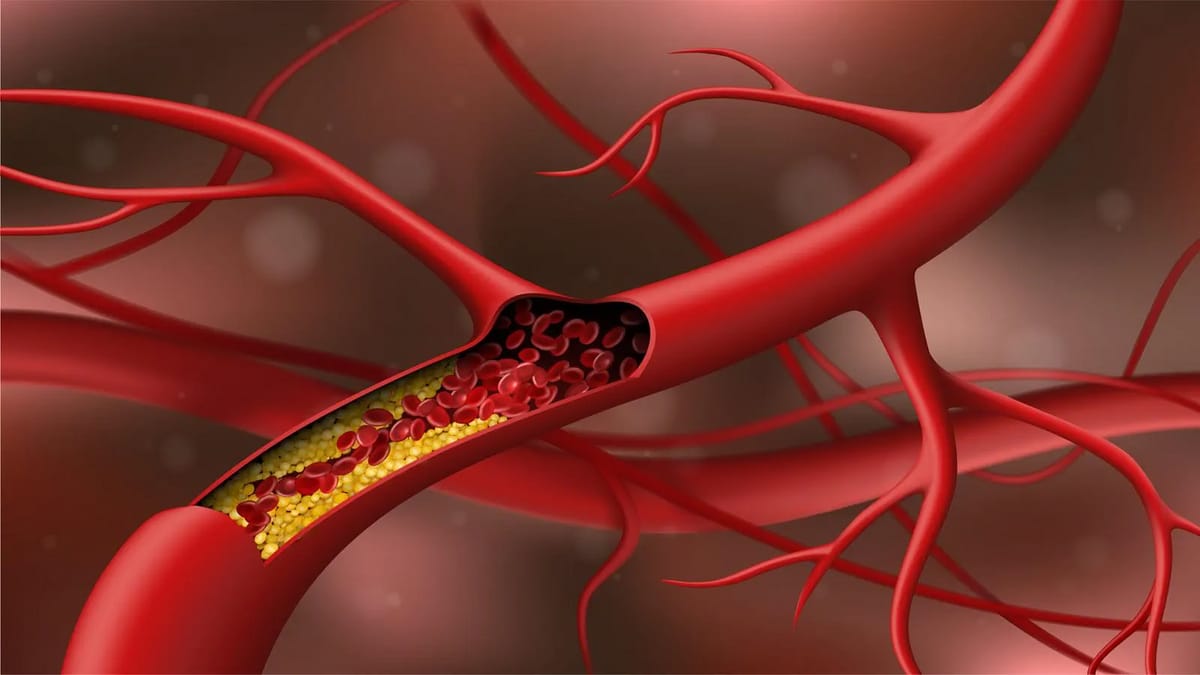
Hypercholesterolemia is a condition in which there are high levels of cholesterol in the bloodstream. Cholesterol is a type of fat that is essential for many bodily functions, including the production of hormones, cell membranes, and bile acids. However, when cholesterol levels become too high, it can lead to serious health problems, including cardiovascular disease (CVD).
The effects of hypercholesterolemia can be both immediate and long-term. In the short term, high levels of cholesterol can cause the formation of fatty deposits in the walls of blood vessels, which can reduce blood flow and increase the risk of blood clots. This can lead to a heart attack or stroke, both of which can have serious consequences.
Over time, high cholesterol levels can lead to the development of atherosclerosis, which is the buildup of plaque in the arteries. This can further reduce blood flow and increase the risk of heart disease and stroke. In addition, high cholesterol levels can cause damage to the inner lining of blood vessels, leading to inflammation and the formation of scar tissue. This can also increase the risk of CVD.
In addition to its effects on the cardiovascular system, hypercholesterolemia can also affect other parts of the body. High cholesterol levels can lead to the development of xanthomas, which are yellowish, fatty deposits that form under the skin. These deposits can be unsightly and can cause discomfort.
Furthermore, high cholesterol levels can also lead to the development of gallstones, which are hard deposits that form in the gallbladder. These can cause pain and discomfort, and may require surgical removal in severe cases.
Fortunately, hypercholesterolemia can be effectively managed with lifestyle modifications and medications. Eating a healthy diet, getting regular exercise, and maintaining a healthy weight can all help to lower cholesterol levels. In addition, medications such as statins, ezetimibe, and PCSK9 inhibitors can also be effective in reducing cholesterol levels and preventing the development of CVD.
It is important to note that hypercholesterolemia often does not produce any symptoms, which is why it is sometimes referred to as a "silent" condition. This makes it even more important to have regular check-ups with a healthcare provider and to get routine blood tests to check cholesterol levels.
In conclusion, hypercholesterolemia is a serious condition that can have both immediate and long-term effects on health. Understanding the potential consequences of high cholesterol levels is an important step in preventing the development of CVD and other health problems associated with hypercholesterolemia. With proper management, however, it is possible to control cholesterol levels and reduce the risk of these serious health problems.
Feel free to share this weekly email newsletter with friends and colleagues. You can join the weekly email list by clicking the link below and entering your email. Skilled Nursing Newsletter by Physicians Services Group of Florida.
All the best!
Christopher DeNapoles M.D.
Chief Medical Officer
Physicians Services Group of Florida
Disclaimer: This newsletter provides general information on medical education and related topics. The content is not intended to be a substitute for professional medical advice, diagnosis, or treatment. Always seek the advice of your physician or other qualified healthcare provider with any questions you may have regarding a medical condition or treatment. The information provided in this newsletter is not intended to create a physician-patient relationship, nor does it constitute an endorsement or recommendation of any particular medical product, treatment, or service. In no event shall the publisher, author(s), or any organization with which the author(s) may be affiliated be liable for any damages whatsoever, including but not limited to direct, indirect, special, consequential, or incidental damages, arising out of or in connection with the use or inability to use the information provided in this newsletter. The information provided in this newsletter is provided "as is" without any representations or warranties, express or implied.