- Skilled Nursing Newsletter by Physicians Services Group of Florida
- Posts
- Lessons from a book on longevity: The Blue Zone.
Lessons from a book on longevity: The Blue Zone.
Chris DeNapoles M.D.
June 28, 2023
Dear Readers,
Welcome to our latest medical newsletter, where we delve into the fascinating topic of longevity and explore evidence-based strategies to help patients lead longer, healthier lives. As physicians, we play a vital role in promoting wellness and guiding our patients towards a path of longevity. So, let's dive in and uncover the secrets to a longer, healthier life!
The Quest for Longevity: Longevity, the ability to live a long and fulfilling life, has captivated human beings for centuries. While genetics certainly play a role, emerging research indicates that lifestyle choices and environmental factors heavily influence the aging process. By making positive changes and adopting healthy habits, individuals can significantly increase their chances of living longer and maintaining optimal health.
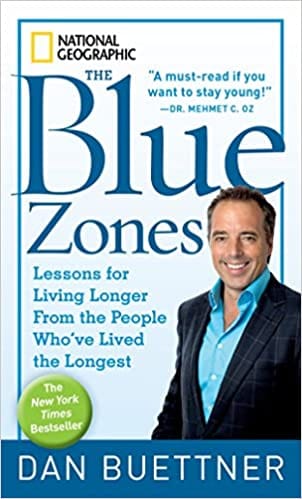
Evidence-Based Recommendations for Longevity: Let's explore some of the key recommendations supported by medical research, including insights from the groundbreaking book "The Blue Zones: Lessons for Living Longer From the People Who've Lived the Longest" by Dan Buettner. The Blue Zones are regions around the world where people live remarkably long lives.
1️⃣ Nourish with a Balanced Diet: The Blue Zones research highlights the importance of a plant-based, whole foods diet. Key dietary recommendations include:
Emphasizing a variety of vegetables, legumes, whole grains, nuts, and seeds. Consuming moderate amounts of fish and lean protein sources. Minimizing red meat consumption and processed foods. Incorporating foods rich in healthy fats, such as olive oil and avocados.
2️⃣ Maintain a Healthy Weight: The Blue Zones research emphasizes the importance of maintaining a healthy weight throughout life. This can be achieved through:
Balancing calorie intake with regular physical activity. Adopting portion control and mindful eating practices. Engaging in daily physical activity, such as walking, gardening, or other forms of moderate exercise.
3️⃣ Prioritize Social Connections: Strong social connections are a common characteristic of the Blue Zones. Research suggests that social interaction plays a significant role in longevity. Recommendations include:
Nurturing relationships with family, friends, and community. Utilizing technology to connect virtually, especially for those who may have limited physical mobility. Engaging in community activities, clubs, or organizations.
4️⃣ Engage in Purposeful Living: Having a sense of purpose and meaning in life has been linked to longevity. The Blue Zones research highlights the following strategies:
Cultivating a sense of purpose through meaningful work, hobbies, or volunteer activities. Practicing mindfulness, gratitude, and regular reflection. Continuously seeking personal growth and learning.
5️⃣ Adopt a Lifestyle of Movement: Regular physical activity is crucial for longevity. The Blue Zones research emphasizes:
Incorporating natural movement throughout the day, such as walking, gardening, and household chores. Participating in activities that promote strength, flexibility, and balance, such as yoga or tai chi. Creating environments that encourage physical activity, such as walkable communities or bike-friendly infrastructure.
By incorporating these evidence-based recommendations, inspired by the research in "The Blue Zones," patients can enhance their chances of leading long, healthy lives.
Conclusion: As healthcare professionals, we have a remarkable opportunity to guide our patients towards a path of longevity. By promoting healthy lifestyle choices, fostering social connections, and embracing purposeful
Feel free to share this weekly email newsletter with friends and colleagues. You can join the weekly email list by clicking the link below and entering your email. Skilled Nursing Newsletter by Physicians Services Group of Florida.
All the best!
Christopher DeNapoles M.D.
Chief Medical Officer
Physicians Services Group of Florida
Disclaimer: This newsletter provides general information on medical education and related topics. The content is not intended to be a substitute for professional medical advice, diagnosis, or treatment. Always seek the advice of your physician or other qualified healthcare provider with any questions you may have regarding a medical condition or treatment. The information provided in this newsletter is not intended to create a physician-patient relationship, nor does it constitute an endorsement or recommendation of any particular medical product, treatment, or service. In no event shall the publisher, author(s), or any organization with which the author(s) may be affiliated be liable for any damages whatsoever, including but not limited to direct, indirect, special, consequential, or incidental damages, arising out of or in connection with the use or inability to use the information provided in this newsletter. The information provided in this newsletter is provided "as is" without any representations or warranties, express or implied.