- Skilled Nursing Newsletter by Physicians Services Group of Florida
- Posts
- How did the Parkinson's patient win the dance-off ?
How did the Parkinson's patient win the dance-off ?
Chris DeNapoles M.D.
September 06, 2023
Dear Readers,
How did the Parkinson's patient win the dance-off ?
Because he had the best shuffle in town!
Today we delve into the multifaceted realm of Parkinson's Disease (PD), equipping you with comprehensive insights into its pathophysiology, clinical presentation, disease progression, contemporary treatment paradigms, and the latest research breakthroughs.
Decoding Parkinson's Disease
Parkinson's Disease is a chronic neurodegenerative disorder primarily characterized by the loss of dopaminergic neurons within the substantia nigra (brain), leading to a deficiency of dopamine in the basal ganglia. This neurotransmitter imbalance culminates in the characteristic motor and non-motor manifestations observed in PD.
Clinical Manifestations and Diagnostic Cues
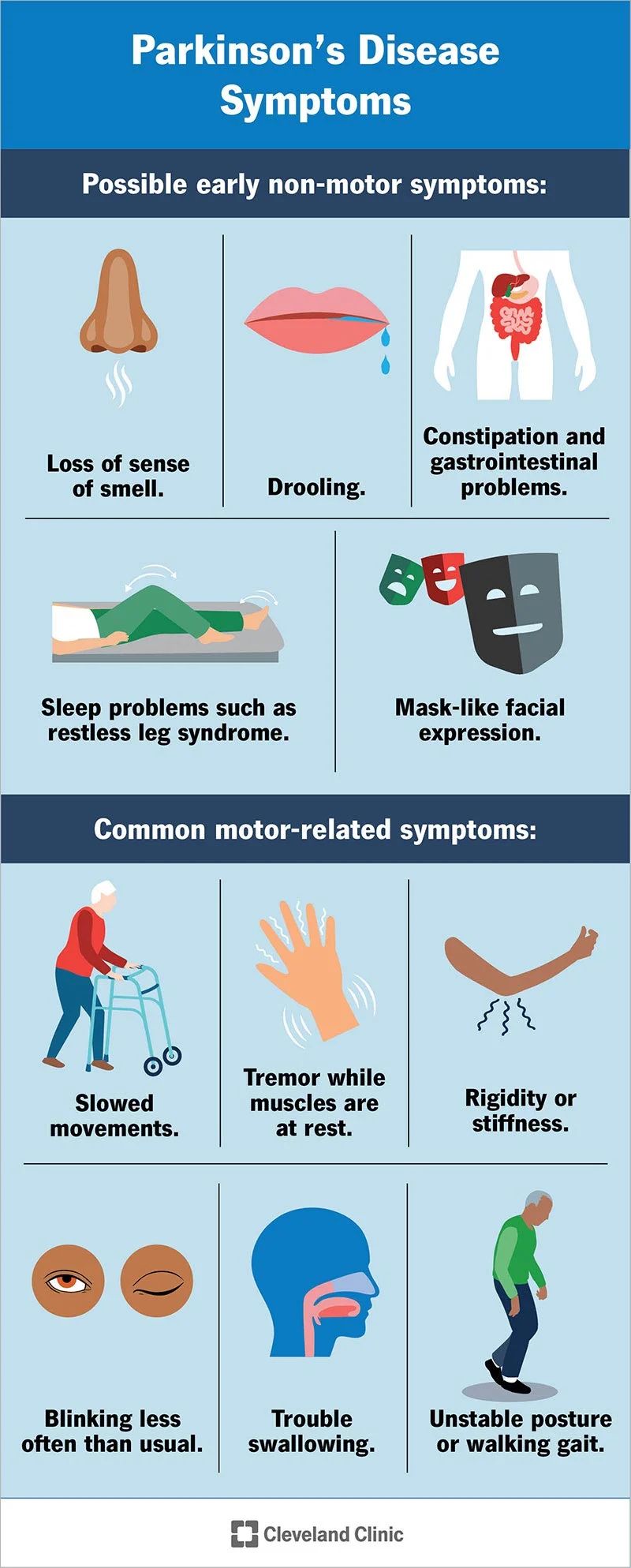
Clinically, Parkinson's Disease is emblematic of its cardinal motor triad: resting tremor, bradykinesia, and rigidity. Other motor symptoms include postural instability, gait disturbances, and reduced facial expressivity. Non-motor symptoms, often underappreciated, encompass autonomic dysfunction, sleep disturbances, cognitive impairment, and mood disorders.
Unraveling the Disease Progression
Parkinson's Disease progresses in a progressive manner, with variations among individuals. Early stages are characterized by motor symptoms confined to one side of the body (unilateral involvement). As the disease advances, bilateral motor involvement, postural instability, and gait impairment become more pronounced. Non-motor symptoms tend to accumulate and play a pivotal role in affecting quality of life as the disease progresses.
Navigating Treatment Terrain
Contemporary therapeutic strategies aim at alleviating symptoms, enhancing quality of life, and, where possible, retarding disease progression. Pharmacological interventions revolve around dopamine replacement therapies, such as levodopa and dopamine agonists. However, long-term use can be complicated by motor fluctuations and dyskinesias. Deep Brain Stimulation (DBS), a surgical intervention, offers substantial benefits for selected patients with refractory motor fluctuations.
Emerging Therapeutic Avenues
Recent research has unveiled promising avenues in Parkinson's Disease treatment. Targeting alpha-synuclein aggregation, mitochondrial dysfunction, and inflammation show potential for disease modification. Moreover, precision medicine, utilizing genetic markers and biomarkers, is gaining traction, allowing personalized therapeutic approaches.
Latest Research Highlights
A study published in Nature Communications (2023) highlighted the potential of nanotechnology in delivering therapeutic agents across the blood-brain barrier for Parkinson's Disease treatment.
Research in Journal of Neurology (2022) discussed the role of gut microbiota in PD pathogenesis, opening new avenues for therapeutic interventions.
A groundbreaking paper in The New England Journal of Medicine (2023) unveiled promising results of a phase III clinical trial of a novel disease-modifying therapy in PD patients.
Collaborating for Comprehensive Care
Our commitment to the holistic management of Parkinson's Disease needs multidisciplinary approach involving neurologists, physiotherapists, occupational therapists, speech therapists, and mental health professionals is pivotal in providing optimal care for individuals battling this condition.
Patients and families seeking information and resources about Parkinson's Disease can find valuable content on reputable websites. Here are some reliable sources that offer information, support, and resources for Parkinson's Disease:
Parkinson's Foundation: The Parkinson's Foundation is a well-established organization that offers a wealth of information about Parkinson's Disease, including symptoms, diagnosis, treatment options, and research updates. Their website also provides resources for caregivers and support groups.
Website: www.parkinson.org
Michael J. Fox Foundation for Parkinson's Research: Founded by actor Michael J. Fox, this foundation is dedicated to accelerating research toward finding a cure for Parkinson's Disease. Their website provides information about ongoing research, clinical trials, and resources for patients and families.
Website: www.michaeljfox.org
National Institute on Aging (NIA): The NIA provides information on Parkinson's Disease in older adults, including symptoms, risk factors, and treatment options. They offer resources specifically tailored for seniors and their families.
Website: www.nia.nih.gov
American Parkinson Disease Association (APDA): The APDA offers educational resources, support groups, and information about various aspects of Parkinson's Disease, including treatment options and managing daily life with the condition.
Website: www.apdaparkinson.org
Davis Phinney Foundation: This foundation focuses on improving the lives of people living with Parkinson's Disease. Their website provides educational content, wellness resources, and tools to help individuals manage the condition and live well.
Website: www.davisphinneyfoundation.org
Feel free to share this weekly email newsletter with friends and colleagues. You can join the weekly email list by clicking the link below and entering your email. Skilled Nursing Newsletter by Physicians Services Group of Florida.
All the best!
Christopher DeNapoles M.D.
Chief Medical Officer
Physicians Services Group of Florida
Disclaimer: This newsletter provides general information on medical education and related topics. The content is not intended to be a substitute for professional medical advice, diagnosis, or treatment. Always seek the advice of your physician or other qualified healthcare provider with any questions you may have regarding a medical condition or treatment. The information provided in this newsletter is not intended to create a physician-patient relationship, nor does it constitute an endorsement or recommendation of any particular medical product, treatment, or service. In no event shall the publisher, author(s), or any organization with which the author(s) may be affiliated be liable for any damages whatsoever, including but not limited to direct, indirect, special, consequential, or incidental damages, arising out of or in connection with the use or inability to use the information provided in this newsletter. The information provided in this newsletter is provided "as is" without any representations or warranties, express or implied.