- Skilled Nursing Newsletter by Physicians Services Group of Florida
- Posts
- Prostate Problems: Skilled Nursing Newsletter by Physicians Services Group of Florida
Prostate Problems: Skilled Nursing Newsletter by Physicians Services Group of Florida

Chris DeNapoles M.D.
March 08, 2023
Why was the prostate in the library???? To prepare for it’s next exam!
Dear Readers,
In this newsletter, we will discuss an important gland that many of our male patients may be familiar with - the prostate.
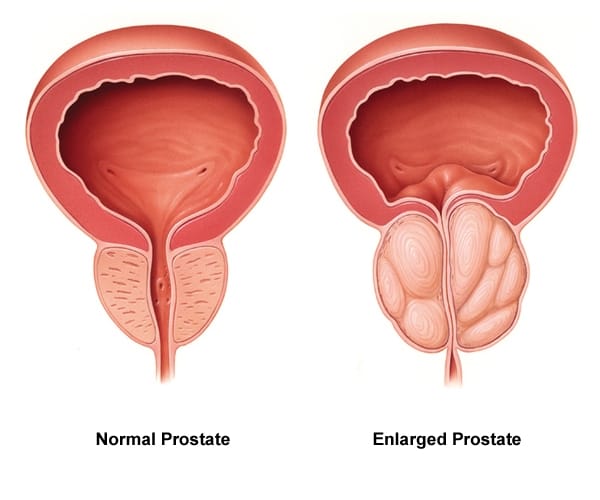
What is a prostate? The prostate is a small gland located just below the bladder in men. It is about the size of a walnut and is an important part of the male reproductive system. The prostate gland produces a fluid that is mixed with sperm to create semen.
What does it do? The prostate gland is responsible for producing and secreting a fluid that nourishes and protects the sperm. During ejaculation, the prostate squeezes this fluid into the urethra and mixes it with sperm from the testicles to form semen.
What adult problems does it have? As men age, the prostate gland can become enlarged, a condition known as benign prostatic hyperplasia (BPH). This can cause urinary problems, such as frequent urination, difficulty starting and stopping urine flow, and weak urine stream. Additionally, men can develop prostate cancer, which is the most common cancer in men after skin cancer.
How to prevent and treat prostate problems? Maintaining a healthy lifestyle, including regular exercise and a healthy diet, can help prevent prostate problems. Additionally, routine prostate exams can help detect any potential issues early on. There are also various treatments available for prostate problems, including medication and surgery. It's important to speak with a healthcare provider to determine the best course of action.
According to recent studies, a new drug called lutetium-177 PSMA (LuPSMA) has shown promising results in treating advanced prostate cancer. LuPSMA is a type of targeted radiation therapy that uses a molecule that binds to prostate-specific membrane antigen (PSMA) on the surface of prostate cancer cells. This allows the radiation to directly target the cancer cells while sparing healthy tissue. In a clinical trial, LuPSMA was found to improve survival rates and quality of life for men with advanced prostate cancer.
Additionally, a recent study has found that regular exercise may reduce the risk of developing aggressive prostate cancer. The study followed over 13,000 men for over 20 years and found that those who exercised at least three hours a week had a 25% lower risk of developing aggressive prostate cancer compared to those who exercised less. The researchers suggest that exercise may help reduce inflammation and improve immune function, which could play a role in preventing cancer.
It's important to note that research is ongoing and that each patient's treatment plan should be tailored to their specific needs and circumstances. As always, it's crucial to speak with a healthcare provider about any concerns regarding prostate cancer or any other health issues.
Feel free to share this weekly email newsletter with friends and colleagues. You can join the weekly email list by clicking the link below and entering your email. Skilled Nursing Newsletter by Physicians Services Group of Florida.
All the best!
Christopher DeNapoles M.D.
Chief Medical Officer
Physicians Services Group of Florida

Disclaimer: This newsletter provides general information on medical education and related topics. The content is not intended to be a substitute for professional medical advice, diagnosis, or treatment. Always seek the advice of your physician or other qualified healthcare provider with any questions you may have regarding a medical condition or treatment. The information provided in this newsletter is not intended to create a physician-patient relationship, nor does it constitute an endorsement or recommendation of any particular medical product, treatment, or service. In no event shall the publisher, author(s), or any organization with which the author(s) may be affiliated be liable for any damages whatsoever, including but not limited to direct, indirect, special, consequential, or incidental damages, arising out of or in connection with the use or inability to use the information provided in this newsletter. The information provided in this newsletter is provided "as is" without any representations or warranties, express or implied.