- Skilled Nursing Newsletter by Physicians Services Group of Florida
- Posts
- Thanksgiving Safety & Wellness
Thanksgiving Safety & Wellness
Let’s all eat like we’re trying to win something!
Chris DeNapoles M.D.
November 19, 2025
As we head into the season of gratitude, family gatherings, and delicious meals, we also enter one of the medically busiest holidays of the year. Emergency departments report a 25% increase in cooking-related injuries during Thanksgiving, and heart-related hospitalizations consistently spike between Thanksgiving and New Year’s.
This newsletter blends festive cheer with practical, clinically relevant reminders to keep our patients, staff, and families healthy and safe.
Thanksgiving Safety: Turkey Frying, House Fires & Holiday Hazards
Thanksgiving is the #1 day of the year for home cooking fires, according to national fire data. Turkey fryers alone cause hundreds of home fires each year, resulting in burns, injuries, and property damage.
Safety Checklist
Kitchen & Frying Safety
Keep flammable materials away from heat sources.
Never use a turkey fryer indoors or on wooden decks.
Ensure turkey is completely thawed before frying to prevent boil-over.
Keep a fire extinguisher nearby.
Avoid loose clothing that can catch fire.
Always be aware of children and people with dementia.
Senior & SNF Resident Reminders
Monitor gait around kitchens or crowded holiday spaces.
Avoid allowing residents to carry hot liquids.
Supervise appliance use for residents with cognitive impairment.
Heart Failure & Holiday Eating: Protecting Patients From Exacerbations
Thanksgiving meals are famously rich and salty. Studies show a 15–23% increase in heart failure exacerbations in the days following Thanksgiving—largely tied to salt overload, increased fluid intake, alcohol consumption, and missed medications.
HF-Friendly Eating Tips
Aim for <2,000 mg sodium/day. A single Thanksgiving meal can exceed 4,500 mg.
Encourage residents to continue diuretics as prescribed, even when traveling or with altered meal schedules.
Reinforce standard fluid limits (commonly 1.5–2 L/day).
Identify sodium-heavy foods: ham, gravy, canned vegetables, boxed stuffing, rolls, and processed sides.
Promote seasoning alternatives: herbs, citrus, pepper, garlic, and salt-free blends.
Clinical Reminder: Monitor for early HF decompensation—5 lb weight gain in 24 hours, increased edema, orthopnea, increasing fatigue, cough, or rising blood pressure.
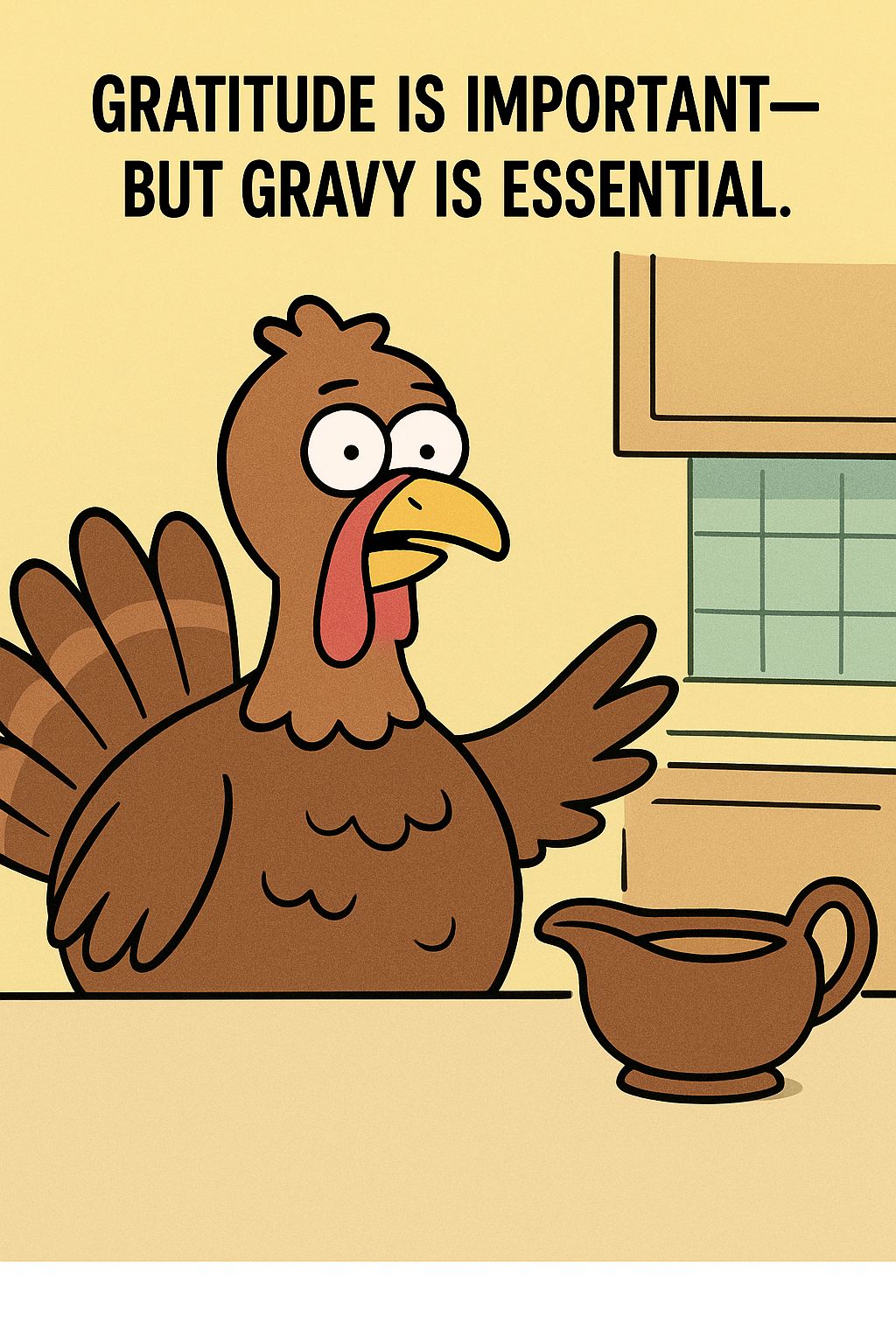
A Message of Gratitude
Thanksgiving reminds us how fortunate we are to work with dedicated physicians, nurses, therapists, CNAs, administrative teams, and support staff who care deeply for our residents.
Thank you for prioritizing safety, compassion, and excellence throughout the year—especially during high-risk holidays. Your work truly makes an impact.
Wishing You a Safe, Healthy, and Happy Thanksgiving!
We hope your holiday is full of gratitude, rest, warmth, and great food (within reason!).
Stay vigilant, stay safe, and enjoy time with those you love.
Feel free to share this email newsletter and our website with friends and colleagues. You can join the email list by clicking the link below and entering your email. Skilled Nursing Newsletter by Physicians Services Group of Florida
Website: PSGFlorida.com
All the best!
Christopher DeNapoles M.D.
Chief Medical Officer
Physicians Services Group of Florida
Disclaimer: This newsletter provides general information on medical education and related topics. The content is not intended to be a substitute for professional medical advice, diagnosis, or treatment. Always seek the advice of your physician or other qualified healthcare provider with any questions you may have regarding a medical condition or treatment. The information provided in this newsletter is not intended to create a physician-patient relationship, nor does it constitute an endorsement or recommendation of any particular medical product, treatment, or service. In no event shall the publisher, author(s), or any organization with which the author(s) may be affiliated be liable for any damages whatsoever, including but not limited to direct, indirect, special, consequential, or incidental damages, arising out of or in connection with the use or inability to use the information provided in this newsletter. The information provided in this newsletter is provided "as is" without any representations or warranties, express or implied.