- Skilled Nursing Newsletter by Physicians Services Group of Florida
- Posts
- Use your food to fight cancer!
Use your food to fight cancer!
Chris DeNapoles M.D.
April 05, 2023
Dear Readers,
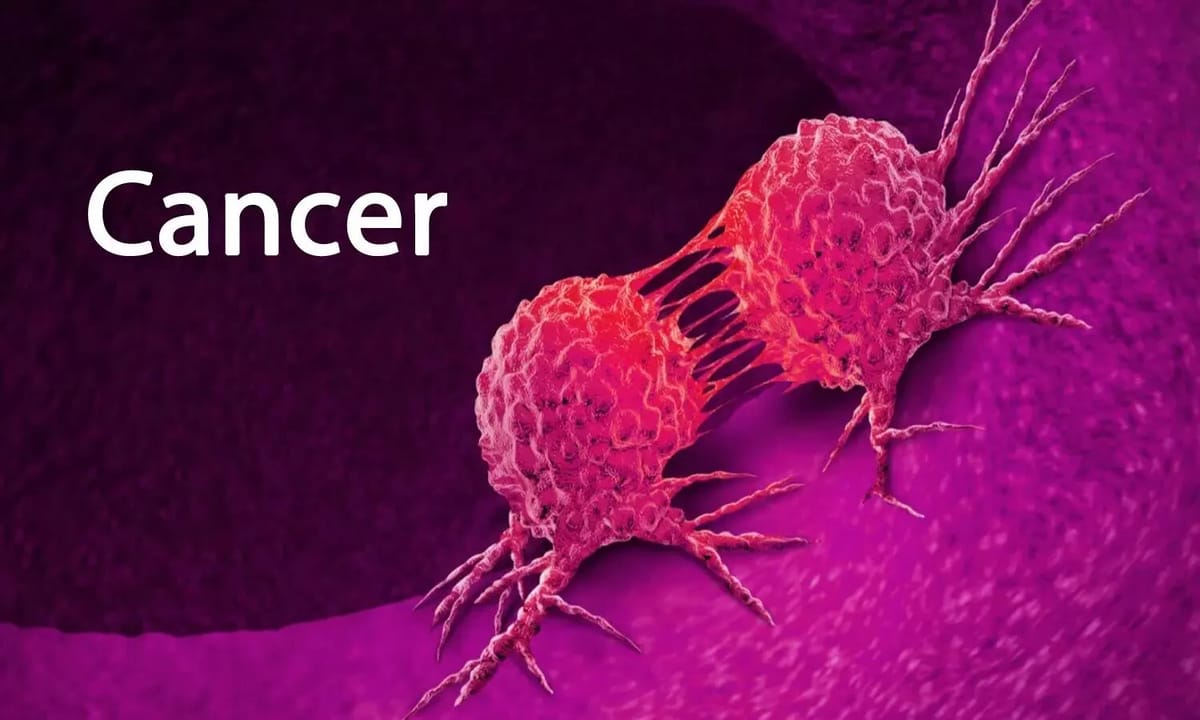
We all know how devastating a cancer diagnosis can be for our patients and loved ones. While there is no surefire way to prevent cancer, we do know that a healthy diet and lifestyle can play a significant role in reducing the risk of developing this disease. Today, I want to focus on the foods that have been shown to have antineoplastic properties, as well as the foods that can help prevent cancer.
Foods with Antineoplastic Properties:
Cruciferous vegetables: Broccoli, cauliflower, kale, and other cruciferous vegetables contain sulforaphane, a compound that has been shown to inhibit the growth of cancer cells.
Berries: Berries are high in antioxidants, which can help to protect the body against the damage caused by free radicals. They also contain compounds that have been shown to inhibit the growth of cancer cells.
Turmeric: Turmeric contains curcumin, a compound that has been shown to have antineoplastic properties. It has been shown to inhibit the growth of cancer cells and may also help to reduce inflammation in the body.
Garlic: Garlic contains sulfur compounds that have been shown to have antineoplastic properties. It may also help to boost the immune system, which can help to fight off cancer cells.
Green tea: Green tea contains polyphenols, which have been shown to have antineoplastic properties. It may also help to reduce the risk of developing certain types of cancer, such as breast and prostate cancer.
Foods that Prevent Cancer:
Fruits and vegetables: Fruits and vegetables are high in antioxidants, which can help to protect the body against the damage caused by free radicals. They also contain fiber, which can help to reduce the risk of developing colon cancer.
Whole grains: Whole grains are high in fiber and other nutrients that can help to reduce the risk of developing cancer, particularly colon cancer.
Fish: Fish is high in omega-3 fatty acids, which have been shown to have anti-inflammatory properties. It may also help to reduce the risk of developing certain types of cancer, such as breast and prostate cancer.
Nuts and seeds: Nuts and seeds are high in fiber and other nutrients that can help to reduce the risk of developing cancer, particularly colon cancer.
Legumes: Legumes, such as beans and lentils, are high in fiber and other nutrients that can help to reduce the risk of developing cancer, particularly colon cancer.
As always, it is important to encourage our patients to maintain a healthy and balanced diet. By incorporating these foods into their diet, they can reduce their risk of developing cancer and improve their overall health and wellbeing.
While these foods can be an important part of a healthy lifestyle and may help to reduce the risk of developing cancer, it is important to emphasize that they are preventative measures and not a treatment for active cancer.
If a patient has been diagnosed with cancer, it is important to follow the treatment plan recommended by their healthcare provider. While a healthy diet can be an important part of cancer treatment and recovery, it should not be relied upon as the sole form of treatment.
It is also important to note that not all cancers can be prevented, even with a healthy lifestyle. Some risk factors for cancer, such as age, genetics, and environmental exposures, are beyond our control. However, by encouraging our patients to maintain a healthy and balanced diet, we can help to reduce their risk of developing cancer and improve their overall health and wellbeing.
Feel free to share this weekly email newsletter with friends and colleagues. You can join the weekly email list by clicking the link below and entering your email. Skilled Nursing Newsletter by Physicians Services Group of Florida.
All the best!
Christopher DeNapoles M.D.
Chief Medical Officer
Physicians Services Group of Florida
Disclaimer: This newsletter provides general information on medical education and related topics. The content is not intended to be a substitute for professional medical advice, diagnosis, or treatment. Always seek the advice of your physician or other qualified healthcare provider with any questions you may have regarding a medical condition or treatment. The information provided in this newsletter is not intended to create a physician-patient relationship, nor does it constitute an endorsement or recommendation of any particular medical product, treatment, or service. In no event shall the publisher, author(s), or any organization with which the author(s) may be affiliated be liable for any damages whatsoever, including but not limited to direct, indirect, special, consequential, or incidental damages, arising out of or in connection with the use or inability to use the information provided in this newsletter. The information provided in this newsletter is provided "as is" without any representations or warranties, express or implied.